We’re weeks into the growing season, and our trees are happy to show off their fresh appearance: a full, blooming canopy, sprouting flowers and—wait, are those curling leaves? Damage to tree leaves and stems is often the first sign of a bigger tree problem, possibly an insect infestation.
If you’ve seen something odd on your tree, find out what the problem is. Use our checklist below to pinpoint what insect could be damaging your trees and how to stop it.
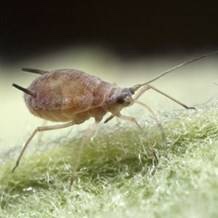
SIGNS & SYMPTOMS OF APHIDS

>> LEAF CURLING, TWIG DIEBACK, STUNTED GROWTH, A SUGARY SUBSTANCE CALLED “HONEYDEW,”BLACK, SOOTY MOLD
- What insect is damaging my tree: Aphids, the resident “plant lice”
- What do aphids do: They feed on plant juices with their straw-like mouths, prevent proper nutrient and sunlight intake and cause premature leaf drop.
- How to control aphids on trees: Stop aphids with horticultural soap/ oil treatments.
- When to control aphids: Talk to your arborist as soon as you spot symptoms.
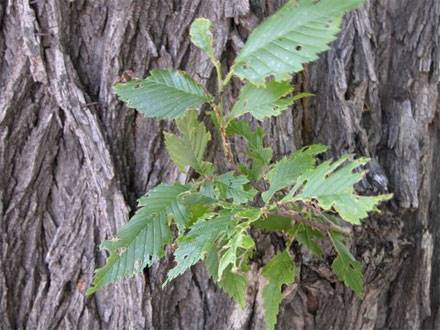
SIGNS & SYMPTOMS OF CANKERWORMS
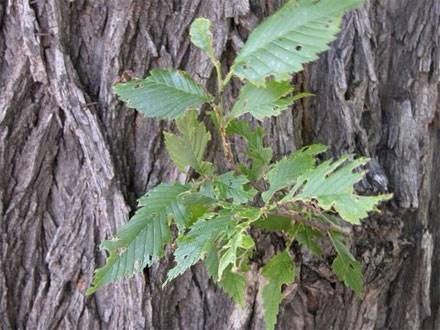
>> CHEWED, RAGGED-LOOKING LEAVES
- What insect is damaging my tree: Cankerworms, the hungry, hungry caterpillar, although native to North America.
- What do cankerworms do: They eat away at leaves, stripping the tree of nutrients.
- Most common tree victims of cankerworms: Elm, oak, apple, maple, linden, beech, cherry, hickory, and ash.
- How to control cankerworms: Apply a horticultural oil in dormant seasons to remove cankerworms. Then prevent the fall with an insecticidal tree band.
- When to treat cankerworms: Control this pest in spring and focus on cankerworm prevention in fall.
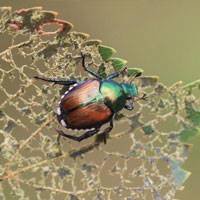
SIGNS & SYMPTOMS OF JAPANESE BEETLES

>> CHUNKS OF LEAVES CHEWED DOWN TO THE VEINS, BROWNING LEAVES AROUND THE TOP OF THE TREE CANOPY AND LEAVES FALLING IN SUMMER
- What insect is damaging my tree: The flying, feeding Japanese Beetle which is NOT native to North America.
- What do Japanese beetles do: They feed on tree leaves in warm, sunny weather. This tree pest often eats the entire leaf, leaving behind only the skeleton.
- Most common tree victims of Japanese beetles: An incredible generalist that feeds on more than 300 plant species.
- How to control Japanese beetles: Their are many methods available including hand-picking them into soapy water, using beetle traps, applying horticultural oil, and controlling their grubs with beneficial nematodes or milky spore
- When to treat for Japanese beetles: Act during peak growing season, from mid-June through August.
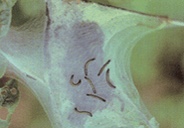
SIGNS AND SYMPTOMS OF EASTERN TENT CATERPILLARS
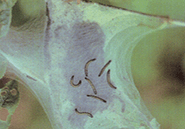
>> LARGE, SILKY WEBS AND TREE LEAF LOSS, ESPECIALLY ON BLACK CHERRY TREES
- What insect is damaging my tree: The Eastern Tent Caterpillar. Although native to the Eastern U.S., Tent caterpillars can be considered a nuisance but aren’t really a disaster. You could do nothing, they’d eat all the leaves, the leaves would grow back pretty fast, the tree would be fine, and life would go on.
- What do Eastern tent caterpillars do: They chew on foliage, leave behind webs and create an unsightly appearance. On black cherry trees, this pest is a serious threat due to defoliation, but the damage is usually aesthetic and not fatal to mature trees, though repeated or severe defoliation can weaken young or small trees.
- Most common tree victims of Eastern tent caterpillars: Black cherry, ash, birch, sweetgum, willow, maple, and oak
- How to control Eastern tent caterpillars: Clip the tents and either move away from any cherry trees or dispose of.
- When to get rid of tent caterpillars: Remove when the silky webs are active. Your arborist can also apply a treatment to control the larvae.
SIGNS & SYMPTOMS OF BAGWORMS
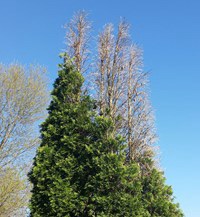
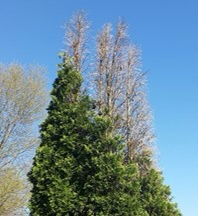
>> CHEWED LEAVES OR NEEDLES, MILD TO SEVERE LEAF LOSS, AND BRANCH DEATH WITH NO REGROWTH ON EVERGREENS
- What insect is damaging my tree: Bagworms, the camouflaged critters.
- What do bagworms do: Bagworms consume tree leaves/needles, often unnoticeably, until severe damage occurs.
- Most common tree victims of bagworms: Juniper, arborvitae, cedar, spruce, honeylocust, linden, willow, maple, oak, birch, elm, and poplar.
- How to treat bagworms in trees: Begin by handpicking and destroying all bags. If that’s not practical, your local arborist can apply an specific treatment.
- When to control bagworms: Remove bags as soon as you spot an infestation.
SIGNS & SYMPTOMS OF SCALE INSECTS
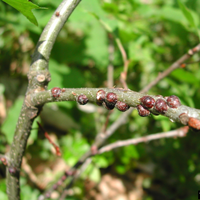
>> UNDERSIZED, YELLOW-MOTTLED LEAVES AND CANOPY THINNING DUE TO LEAF DROP AND BRANCH DIEBACK
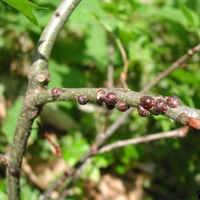
- What insect is damaging my tree: Scale Insects – two groups of scale insects: armored scale and soft scale
- What do scale insects do: Scales are sap-sucking insects common on backyard trees and ornamental shrubs. They anchor themselves into the vascular tissue of leaves with their threadlike mouthparts.
- Most common tree victims of scale insects: All woody plants
- How to treat scale insects in trees: Treatments should be applied when the nymphs are emerging from their eggs and during the second instar stage. Several different approaches are available, depending on the situation.
- When to control scale: Dormant oil will kill most armored and soft-scale insects that are in the susceptible stage. They tend to be more effective against soft scales.



 Weekend Tree Care